An accident is the moment when decisions matter most and thinking is hardest. What you do in the first hour decides how smoothly everything afterwards is resolved, for you and for everyone else involved.
The order of the steps matters more than the speed of them. Safety and people come first, evidence comes next, and paperwork follows. Getting that sequence right protects everyone at the scene.
First, secure the scene
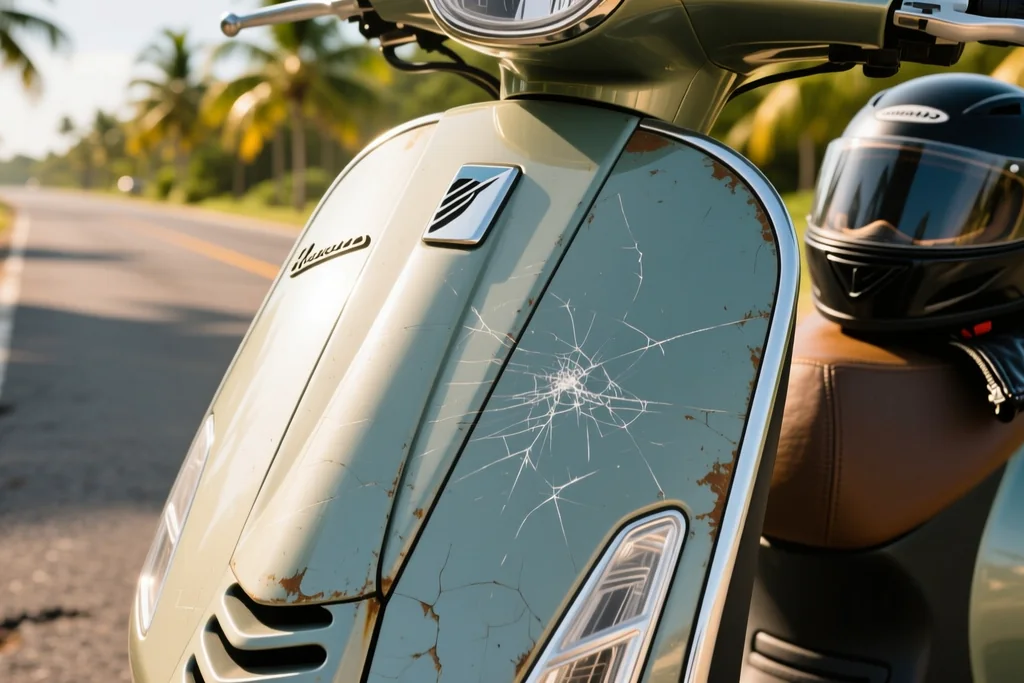
Stop safely and move yourself and the bike out of the flow of traffic if it can be done without risk. Turn on hazard lights and warn approaching riders when you can.
Do not stand in the road to inspect damage. Traffic on island roads can be unforgiving, and a second incident is the last thing anyone needs.
If the bike cannot be moved, keep well clear of it and let others manage the traffic around the scene.
If there are witnesses, note how to reach them before they drift away. A contact collected now is far easier to get than one chased days later.
Medical attention before paperwork
Check yourself and anyone else involved for injury before anything else is discussed. Adrenaline hides pain, so it is worth being honest about how you actually feel.
If anyone is hurt, medical help comes before any conversation about fault or cost. Nothing on paper matters more than a person's condition.
Even a minor fall can leave effects that appear later. If something does not feel right, have it looked at rather than riding on.
If you are alone, call for help rather than trying to manage everything yourself. There is no prize for handling an accident single-handed.
Photographs and the evidence that matters
Photograph the scene from several angles before vehicles are moved, if it is safe to do so. Wide shots show the layout, and close shots show the damage.
Capture the road surface, the weather, the light and any markings or signs nearby. These details explain conditions in a way that words rarely do.
Photograph the bike from each side and note where each vehicle came to rest. Evidence collected calmly at the scene is far stronger than a memory recalled days later.
If you were involved, have someone photograph you standing beside the bike as well. Position and identity in the frame can matter to a claim.
Involving the rental shop early
Call the rental shop as soon as the immediate situation is under control. They know the bike, the policy and the process, and they can guide the next steps.
Tell them plainly what happened and what has been done so far. Early contact keeps the shop informed and avoids later questions about delay.
Ask whether they want to attend or whether they need anything specific recorded. Let them set the pace of the paperwork that follows.
Reporting and the official record
A police report is often the document that insurers and officials rely on afterwards. Ask how a report is arranged and follow the process properly.
Cooperate fully and answer questions factually, without speculating about fault. State what you saw and leave conclusions to those who handle the process.
Keep the reference or a copy of anything you are given. An official record becomes the backbone of every later claim.
| Step | Why it matters | What to keep |
|---|---|---|
| Secure the scene | Prevents a second incident | Nothing yet |
| Check for injuries | People come before paperwork | Medical notes |
| Photograph everything | Records conditions at the time | The images |
| Call the rental shop | They know the process | Their guidance |
| Make a report | Becomes the official record | The reference |
Talking to your insurer
Contact your insurer, or your travel policy provider, once the reporting steps are underway. Ask what they need and the order in which they need it.
Keep every receipt and every document related to the incident. A claim is built from records, and missing ones are hard to replace afterwards.
Do not agree to settle anything on the spot. Let the shop and the insurer work through the process at their own pace.
Write down the times and the names as you go, while they are still fresh. A short note taken now always beats a reconstruction attempted later.
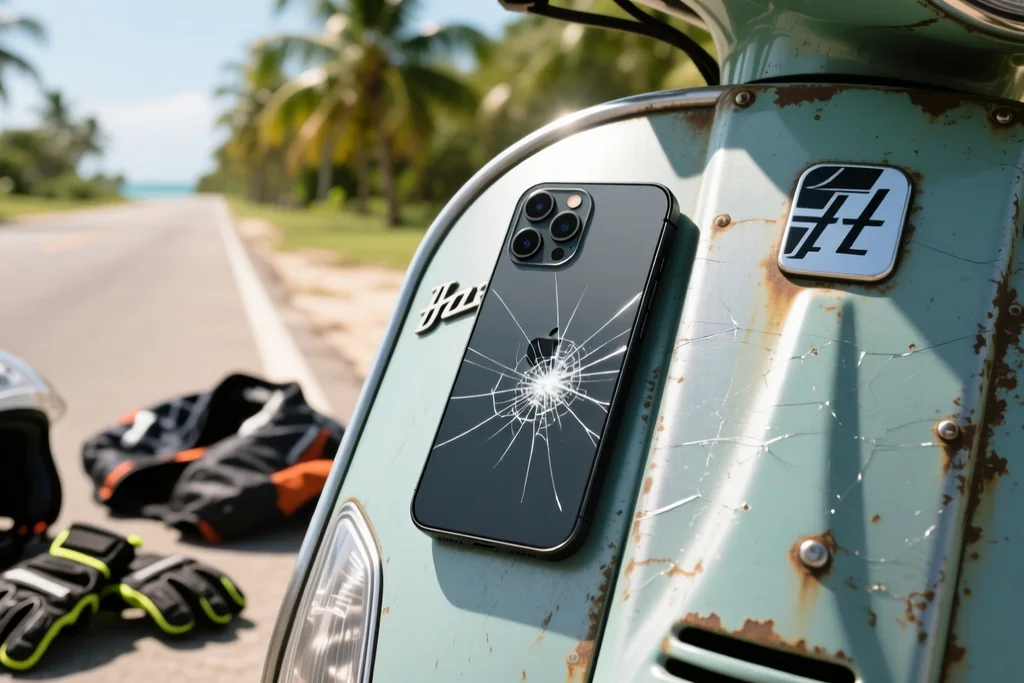
In an accident: the steps that protect you afterwards
Related guide on this topic.
Afterwards: records, repairs and follow-up
Keep a simple file of photographs, messages and references until everything is closed. A single folder on your phone is enough to hold it all together.
Follow up on medical care if anything develops, and keep records of that as well. Some effects of a fall only appear once the moment has passed.
When the matter is settled, review what happened and what could have been done differently. Most riders learn more from one incident than from a season of advice.
- Make the scene safe before anything else.
- Check for injuries before discussing fault.
- Photograph the scene and the damage while it is fresh.
- Call the rental shop as soon as it is safe to do so.
- Keep every document, message and reference until it is closed.
An accident is stressful, but the sequence is not complicated. Secure, check, photograph, call and report, in that order, and everything afterwards becomes easier to resolve.
Prepare the sequence in your mind before you need it. The calm you keep at the scene is the best protection you can give yourself.