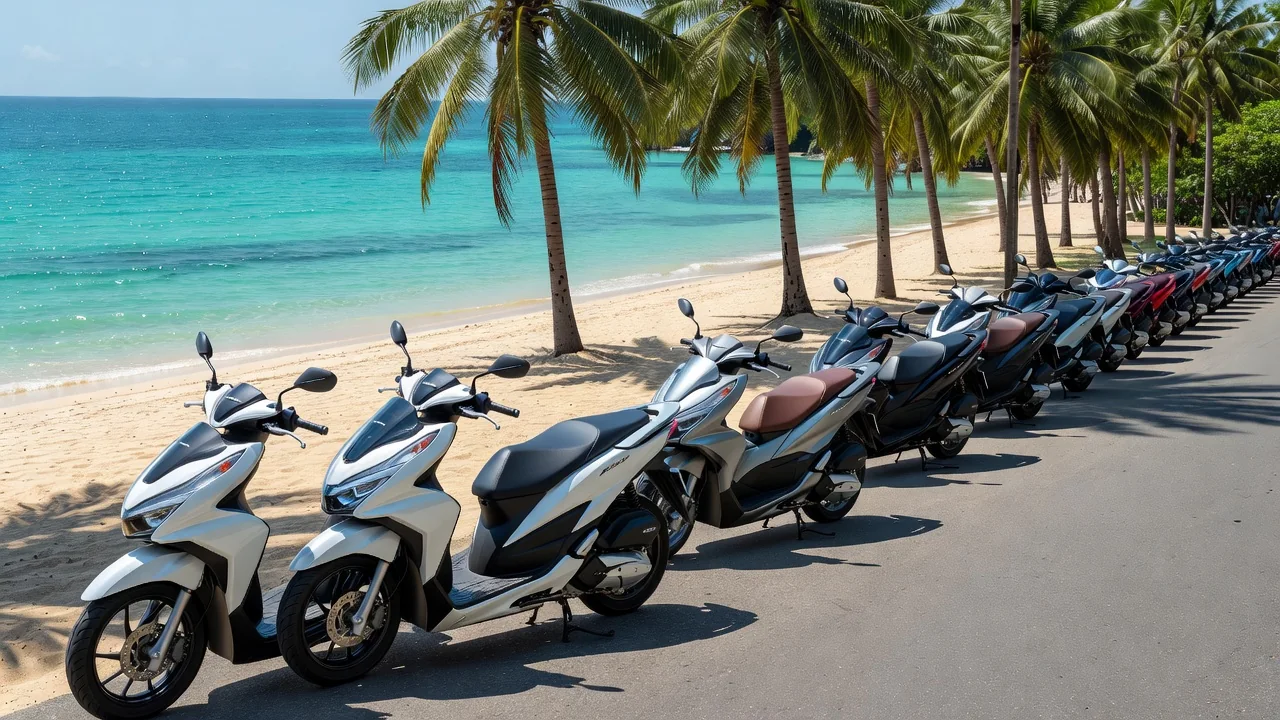
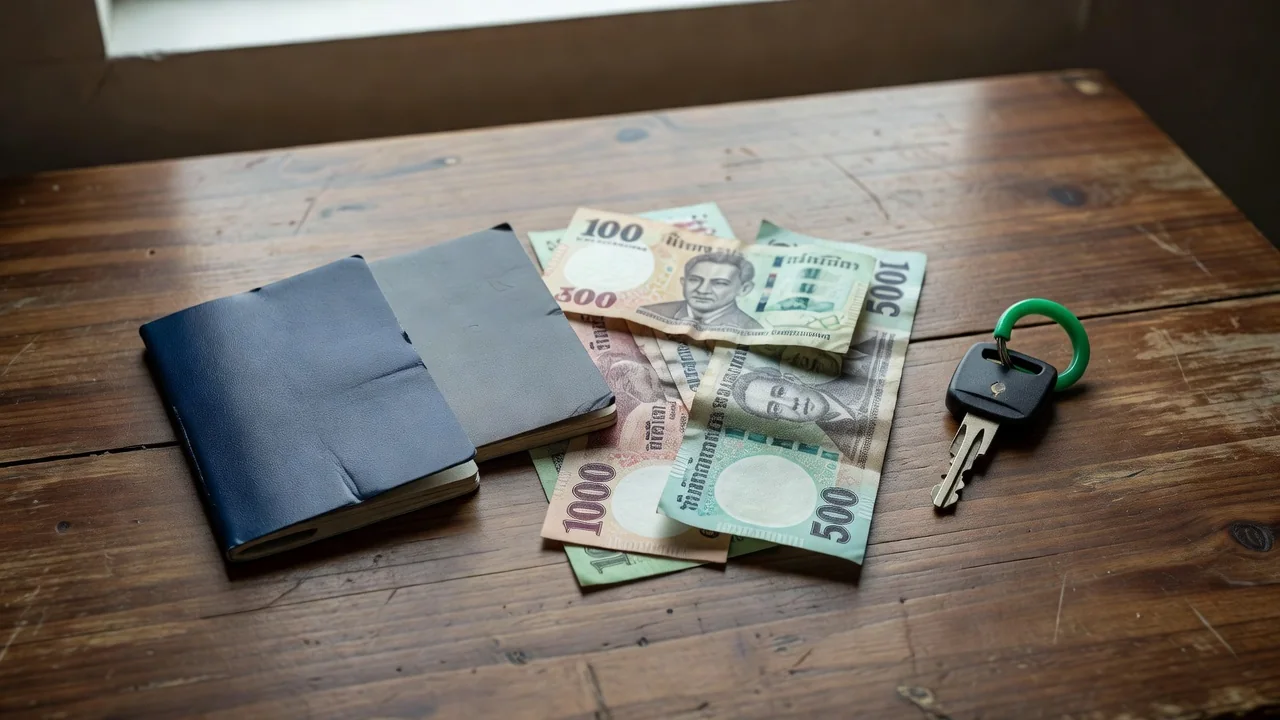
How long you rent and where you collect the bike are the two decisions that shape everything else about a trip on the island. Pick them badly and the rest of the plan has to work around them.
This guide walks through the common duration arrangements and the places shops use for handovers, so the plan can be matched to the shape of your stay rather than assembled piece by piece once you arrive.
The shape of your trip decides the plan
A short stay and a long stay need very different arrangements, and the difference shows up in the first conversation at the counter.
For a few days, you want a bike that is ready immediately and a handover that takes minutes rather than hours, because every hour spent at a counter is an hour not spent riding.
For weeks or longer, the priority shifts towards a machine you are happy to live with, and towards a plan for servicing, small repairs and any swaps along the way.
Deciding the rough shape before walking into a shop makes everything at the counter faster and leaves less room for a rushed decision.
Daily arrangements and when they suit
Renting by the day is the simplest option and the one most visitors start with, because it leaves the plan open and asks for the least commitment up front.
It suits riders who want to test a route or a machine before committing longer, and travellers whose itinerary is still moving as they learn what the island actually feels like.
The trade-off is in the rhythm, since you are renewing or returning constantly and each handover eats into riding time as well as into your patience.
For a short trip with one clear purpose, that is usually a fair exchange, and the flexibility is worth more than the tidiness of a single long arrangement.
Weekly and monthly arrangements
Longer arrangements are where the practical advantages appear, because the paperwork and the handover happen once instead of repeatedly.
A week gives room to explore in several directions without feeling rushed, and a longer stay turns the bike into ordinary transport rather than a special occasion.
Longer rentals also make it easier to raise small issues with the shop, since you are a returning face rather than a passing one, and that changes how quickly a question gets answered.
Ask how renewals work if your plans are still open, so nothing catches you out mid-trip and you are not forced into a hurried swap.
Where shops hand over the keys
Handover points vary and each has its own logic. Shops near the main visitor areas work around foot traffic and expect you to collect in person during their opening hours.
Some shops will bring the bike to your accommodation, which saves a journey but moves the inspection to your doorstep, where lighting and space may be less helpful.
Others work from quieter locations a short ride from the busy strips, which can be easier at the peak of the day and gives you a calmer place to look the bike over.
Whichever you choose, agree the exact spot and the rough time before you set out, and confirm it in a message you can find later.
| Point | What it suits | What to settle first |
|---|---|---|
| Shop counter | Riders who want the full inspection on site | A time when someone can walk you through the bike |
| Your accommodation | Arrivals with luggage and no time to travel | Where the bike will be parked and who inspects it |
| Near a transfer drop-off | Riders starting straight after arriving | Whether the opening hours work for your arrival |
| A quiet out-of-town base | Anyone avoiding the busiest areas | How you get there and back again |
Timing the pickup around your arrival
The day you collect matters as much as the location. Arriving after a long journey and riding straight into unfamiliar traffic is a poor start to any trip.
Where you can, collect in daylight with time to spare, so the inspection and the first ride are not rushed by a setting sun or a waiting transfer.
Busy periods stretch everything, from the queue at the counter to the time it takes to reach your first stop through traffic you do not yet know.
Give the handover a buffer and the rest of the day stays calm, which matters more on the first ride than on any other.
Returning the bike and closing the rental
The return is the mirror image of the pickup and deserves the same care. Agree the time and place in advance, not on the final morning when everything is hurried.
Ask what the shop checks on return and whether fuel or cleaning has any bearing on closing the rental, so nothing unexpected appears at the last moment.
Take your own photos at the point of return, matching the set taken at the start and covering the same angles and the same details.
A tidy return closes the arrangement cleanly and leaves no loose ends behind for either side to argue about later.

Rental duration and pickup points: planning around your trip
Related guide on this topic.
Questions to settle before you commit
A short list of questions at the counter prevents most of the confusion that follows. Agree the duration, the collection point and the return point in plain terms you both understand.
Ask what happens if your plans change, and how a shorter or longer arrangement would be handled if travel shifts around you.
Confirm who to contact during the rental and what is expected of you if something goes wrong on the road or with the bike itself.
Keep the answers in a message or a note, so you are both working from the same understanding rather than from memory.
- Decide the rough length of the rental before you reach the counter.
- Match daily, weekly or longer arrangements to how the trip actually moves.
- Agree the handover point and time before you set out.
- Collect in daylight when you can, with time to inspect the bike properly.
- Treat the return with the same care as the pickup and close the rental cleanly.
Duration and handover are the frame that holds the rest of a rental together, and getting those two right lets the riding look after itself for the whole trip.
Plan the shape of the trip first, then collect the bike somewhere convenient at a time that genuinely suits you, and the arrangement stays simple from the first day to the last.