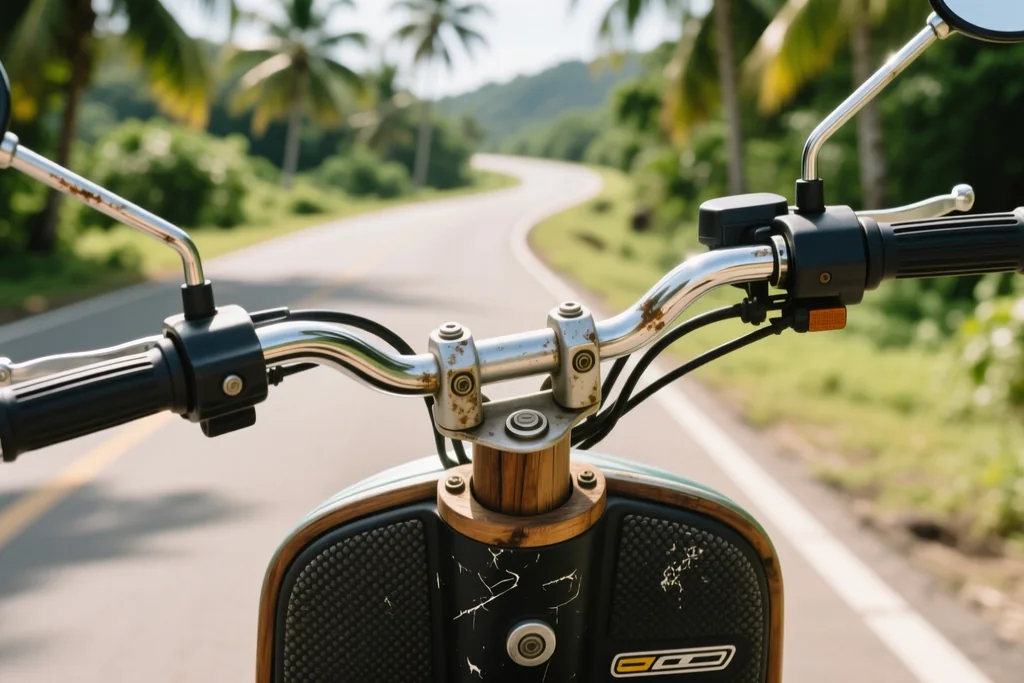
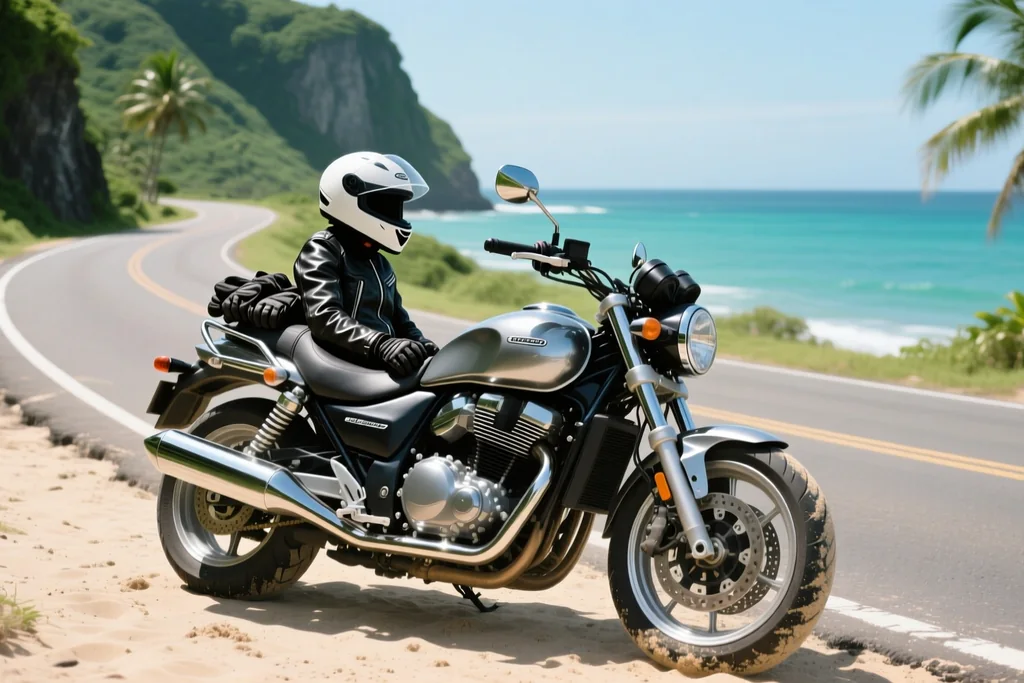
The scooter you pick decides more about your holiday than almost any other single choice. Engine size, seat height, weight and storage all change how a ride feels, and how confident you are in Phuket traffic. Getting it wrong affects your comfort rather than your safety, but it shapes the whole week.
There is no best scooter, only the right scooter for the riding you actually plan to do. This guide walks through the points that matter, in the order they matter when you are standing in front of a row of parked bikes. Think of it as matching a machine to a plan rather than judging one as better.
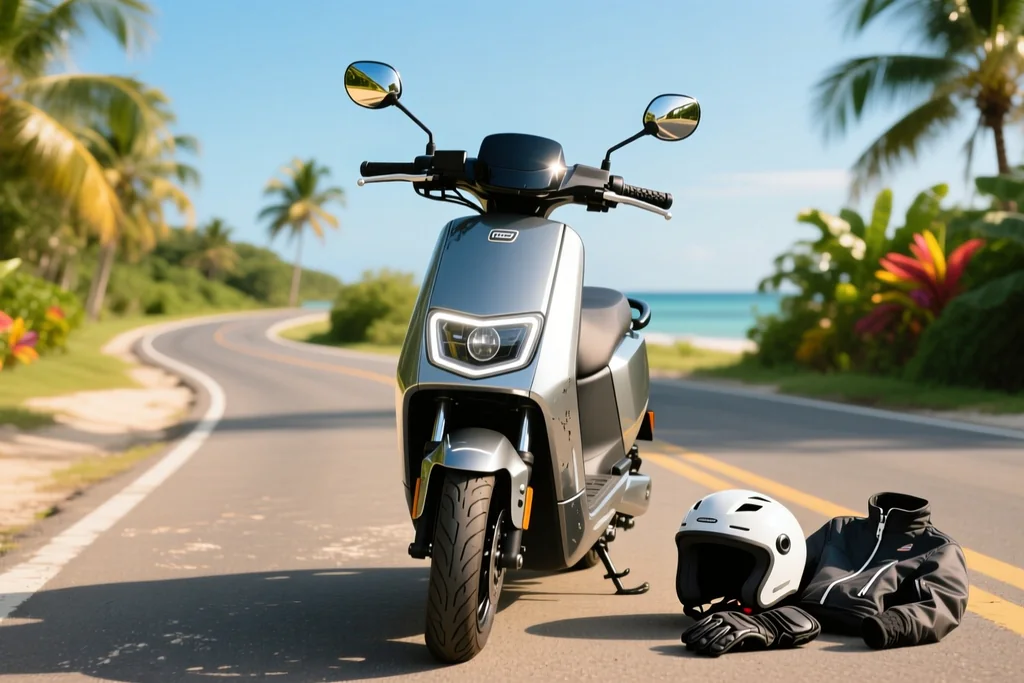
What the scooter class actually changes
Class is shorthand for a package of traits. Engine size, physical size, weight and seating position almost always move together, so choosing a class means choosing a whole set of characteristics at once.
A smaller machine is lighter to pick up, easier to park and more forgiving in slow traffic, which matters on the crowded west coast roads. It also asks less of you at junctions where you stop and start constantly. Small bikes also slip into narrow parking gaps along the beach roads.
A larger one holds speed on long stretches and carries a passenger or luggage without labouring. Match the class to the ride you have planned, not to the photograph on the booking page.
Engine size on island roads
Most island rentals sit inside a small range of engine sizes, and the differences show up as headroom rather than as top speed. On flat coastal roads, almost anything feels adequate.
The gap opens on long climbs and on the highway stretches where you want to hold a steady pace. A little more capacity means the engine works less hard and you ride with a calmer wrist. That difference is most obvious on the island hill sections.
If your plan is mostly beaches within a short radius, a modest engine keeps everything simple. If you intend to cross the island regularly, that extra capacity earns its keep over a week.
Seat height and the confidence of stopping
Seat height decides whether you can put a foot down flat at a junction, and that single detail decides how the first hour feels. A bike you can hold comfortably is a bike you will ride well.
Sit on the machine before you commit to it. A scooter that looks ideal but leaves you on tiptoe is a poor choice on wet roads and uneven side streets, especially with a passenger aboard. Two feet flat on the ground at a standstill is the simple test.
Weight matters alongside height. A lighter machine can be walked backwards out of a tight parking spot with far less effort, and that confidence carries straight into the ride itself.
Storage, luggage and everyday use
Underseat storage is the quiet advantage of a scooter over a geared bike. A helmet, a small bag or a day of shopping fits away out of the rain and out of your hands.
Check what actually fits rather than trusting a description. Bring what you plan to carry and try it in the compartment, because a bag that almost fits is a bag you will end up holding.
Hooks and a flat floor area add usable capacity without adding size. For short trips, the practical difference between classes often comes down to these small details rather than to the engine.
Hills, load and riding two-up
The island hills separate scooters more sharply than the flat roads ever do. A machine that feels relaxed alone can become breathless with a passenger on a long climb in the heat. Load changes the bike as much as the terrain does here.
Two-up riding also changes braking, cornering and how quickly the bike settles after a bump. Plan for both comfort and control if you will carry a passenger for most of the trip.
Tell the rental shop if you intend to ride with luggage or a second person. They know which machines in their fleet handle that weight well and which ones struggle on the climbs.
| Trait | Smaller scooter | Larger scooter |
|---|---|---|
| Weight and parking | Easy to move by hand | Needs care in tight spaces |
| Comfort at speed | Good for short hops | Relaxed on longer stretches |
| Riding two-up | Limited on hills | More headroom under load |
| Storage | Basic under-seat space | Often more usable room |
| Learning curve | Quick to feel at home | Takes a little longer |
Riding style and how much scooter you need
Be honest about your riding history. A rider who has not been on two wheels for years will settle far faster on a light, simple machine than on something ambitious.
Confidence grows quickly on the island, but the first day is not the moment to stretch. A comfortable start makes the whole week better and keeps your attention on the road. A calm first day teaches more than any advice can.
Experienced riders can step up straight away, though there is rarely a good reason to take more machine than the route asks for. More bike is not automatically more fun.
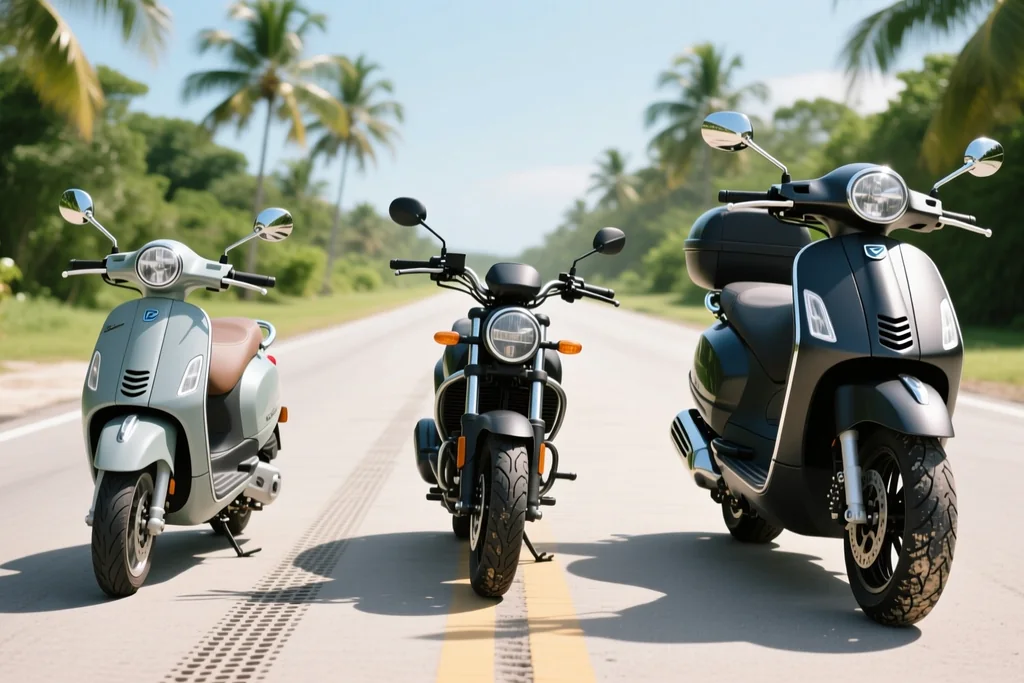
Choosing a scooter: matching the bike to your route
Related guide on this topic.
Questions to settle before you choose
A short conversation at the counter removes most of the guesswork, and it takes only a few minutes of your day. Ask before you sign, not after.
Describe your route, your luggage and your riding plans, then let the shop suggest options and show you the actual bikes.
- Where you will ride most: coast roads, hills, or a mix of both.
- Whether you will carry a passenger or luggage on most days.
- Whether you can put both feet down comfortably when stopped.
- Whether the storage is big enough for what you plan to bring.
- How the weight feels when you park and move the bike by hand.
Choose the scooter that fits the riding you will actually do, not the one that looks best in a photograph or on a booking page.
Sit on it, try the storage, walk it backwards once, and take the first ride somewhere quiet. The right bike disappears under you, and that is exactly the point.