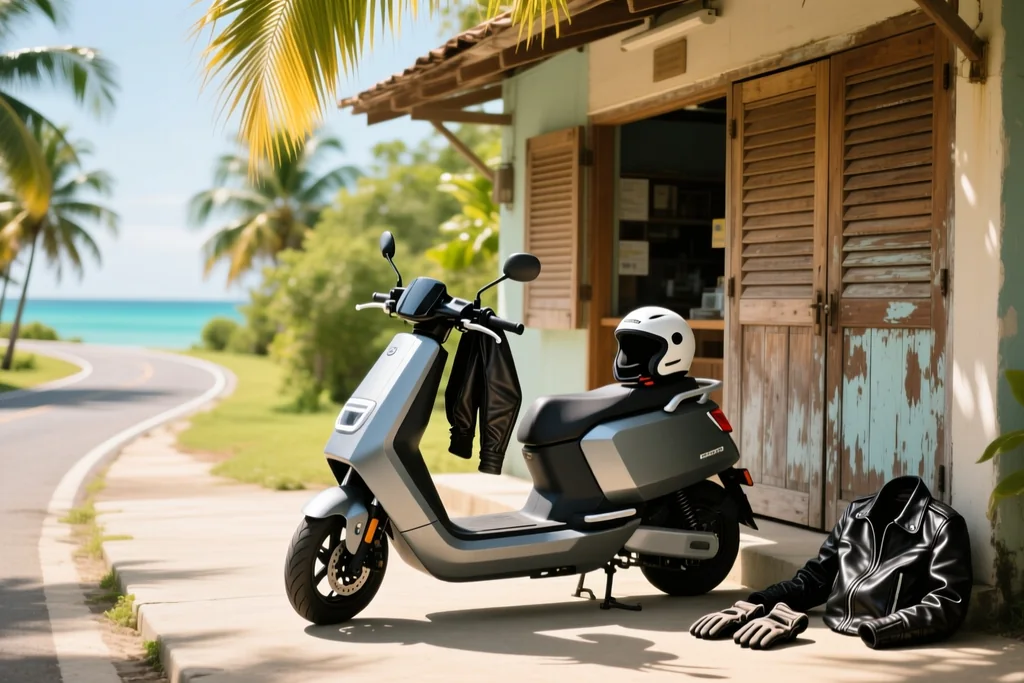
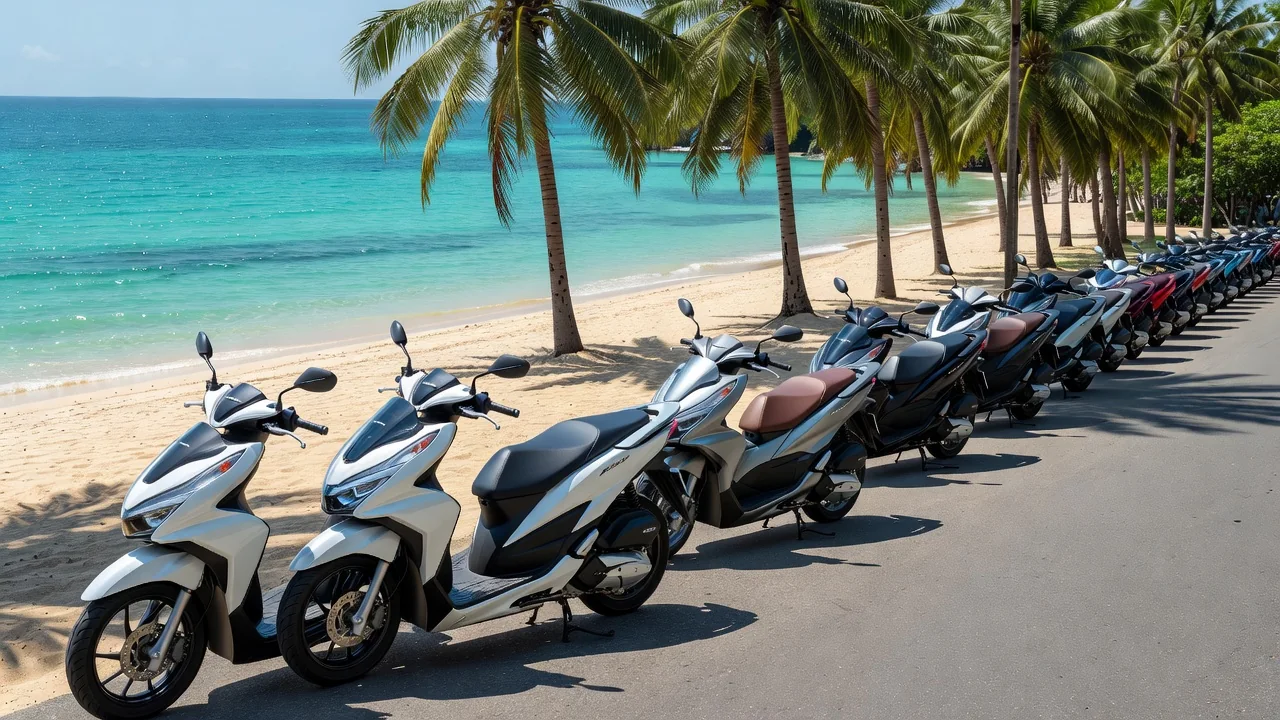
Ask three rental shops in Phuket what insurance their bikes carry and you will get three confident, different answers. The truthful one is short: every registered bike has compulsory third-party cover, almost none have meaningful damage cover, and the person who pays for a broken fairing is usually the person who signed the contract.
Understanding the three layers — the state scheme, the shop's policy and your own travel insurance — is the difference between a 2,000 baht inconvenience and a 60,000 baht hospital-adjacent argument.
Layer one: Por Ror Bor, the compulsory cover
Every legally registered motorbike in Thailand carries Por Ror Bor, the compulsory third-party injury scheme. It pays medical costs for people injured in a road accident, regardless of fault, up to fixed limits — since the 2022 revision, initial emergency coverage runs to 30,000 baht per person, with higher caps once fault is established. It pays nothing for vehicles, and nothing for stolen bikes.
The sticker lives on the bike's tax disc. Before renting, check it: an expired Por Ror Bor means the registration is lapsed, the bike is unroadworthy in law, and any accident gets legally messy fast.
Layer two: what shops really insure
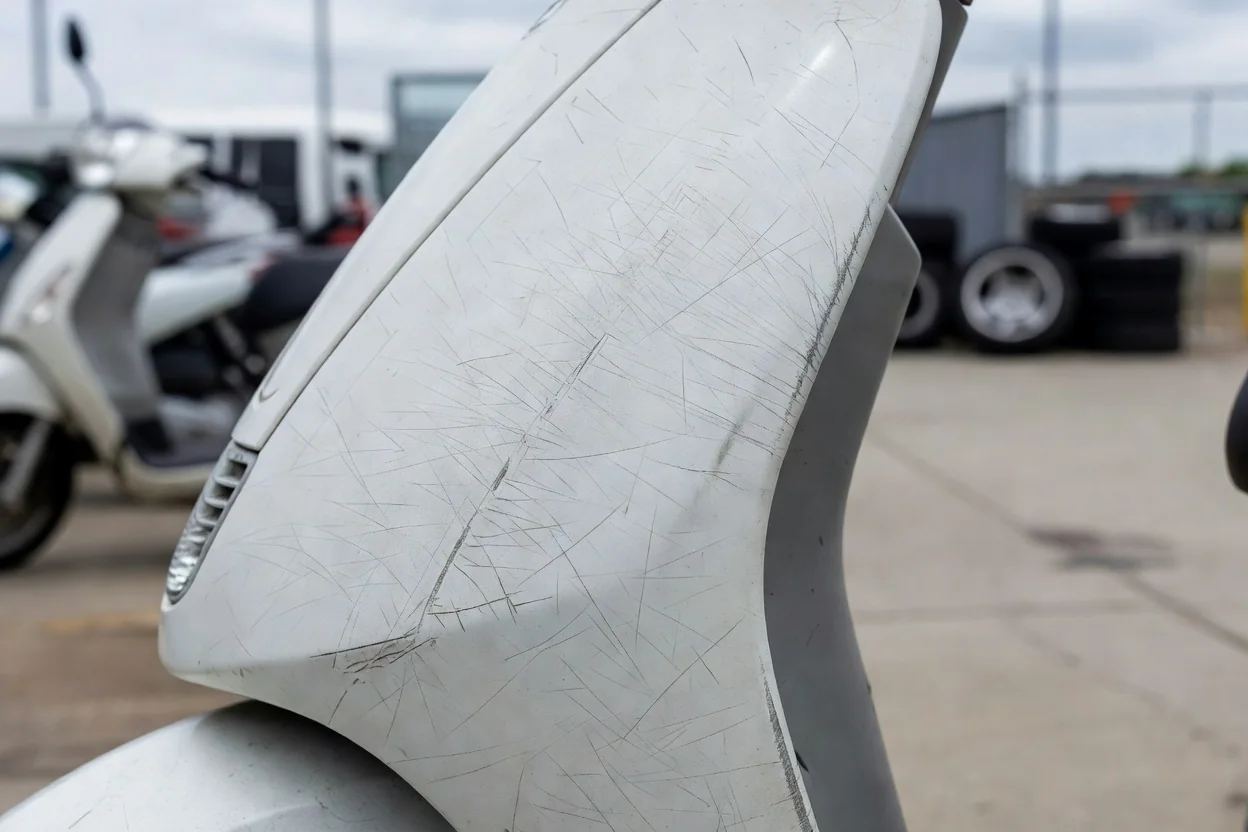
Most Phuket rental fleets carry only the compulsory scheme plus, at better shops, a limited first-party policy with a high excess. When a desk agent says "full insurance", ask one question: what is the excess in baht, written on the contract? Common answers in 2026: 5,000–15,000 baht for scooters, 20,000 or more for big bikes. Below that number, you pay. Above it, the insurer pays — sometimes.
| Situation | Por Ror Bor | Typical shop policy | Your travel insurance |
|---|---|---|---|
| You are injured | Medical up to scheme limits | Usually nothing extra | Pays — only if you rode legally |
| Third party injured | Covered by scheme | Top-up varies by shop | Personal liability add-on needed |
| Bike damaged | Not covered | Excess 5,000–20,000 THB | Rarely covers rental vehicles |
| Bike stolen | Not covered | You owe book value, often 40,000–60,000 THB | Almost never covers it |
Layer three: your travel policy and its traps
Travel insurance covers motorbike accidents only under strict conditions, and insurers check them in this order: valid license with A entitlement, a 1968-convention IDP, helmet worn, no alcohol. Fail one and the claim dies. Several 2026 policies also cap engine size — commonly at 125 cc — unless you bought the adventure-sports add-on before departure.
- Photograph your license, IDP and helmet on day one; claim assessors ask for exactly these.
- Engine caps apply to the bike, not the ride: renting a 150 cc PCX on a 125 cc policy voids cover.
- Alcohol involvement voids everything, including the Por Ror Bor top-up from the at-fault driver.
- Keep the police report number: Thai hospitals and insurers both want it.
The theft clause nobody reads
Scooter theft in Phuket is rare but not zero, and contracts make the renter liable for the full book value. A 10 baht disc lock from any Big C, plus parking inside the hotel line of sight, is the cheapest insurance on the island.
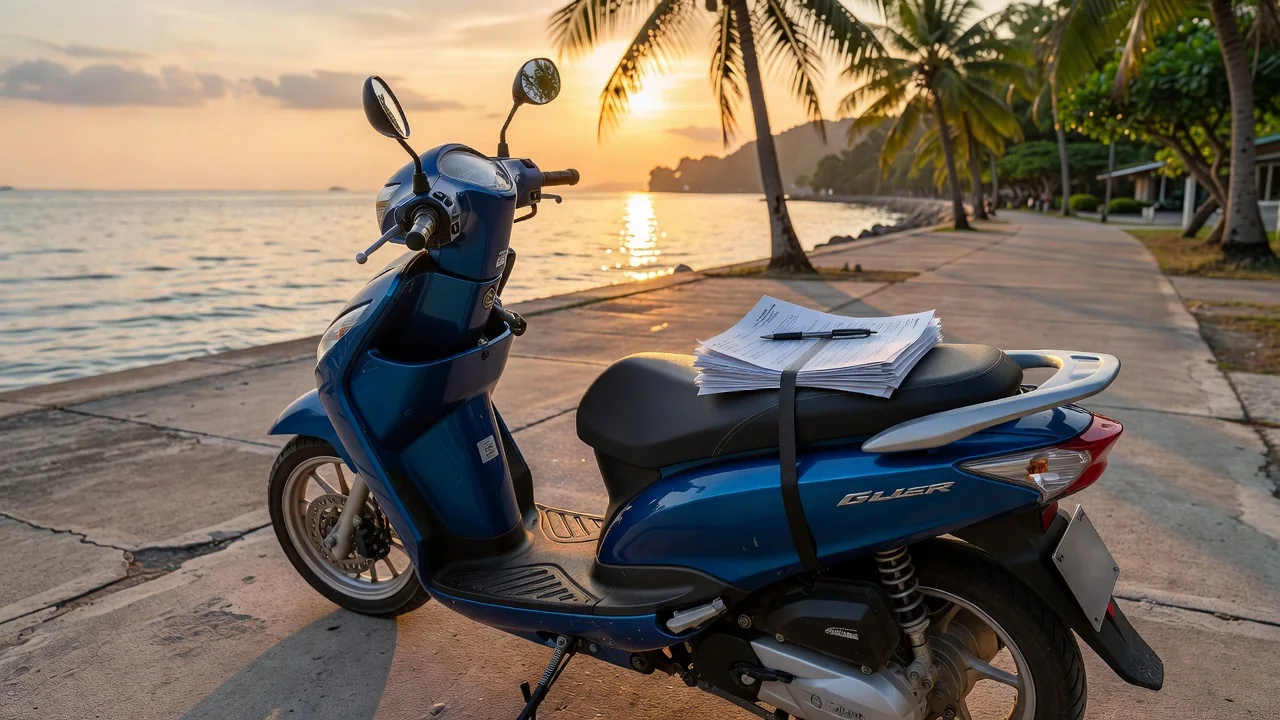
Motorbike Rental Insurance in Thailand: What Is Actually Covered
Related guide on this topic.
What to ask before you sign
Three questions at the desk settle it: show the Por Ror Bor sticker, state the excess in baht on the contract, and confirm in writing whether theft is covered. A shop that answers all three clearly is a shop whose insurance talk you can believe. The rest is on your home policy — and on riding like the insurance does not exist, because for the paintwork, it mostly does not.